Hostelworld
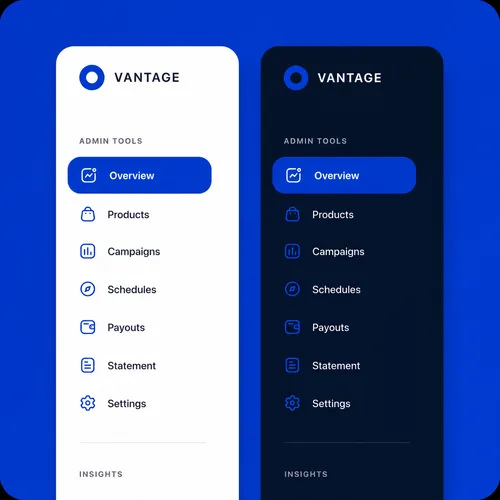
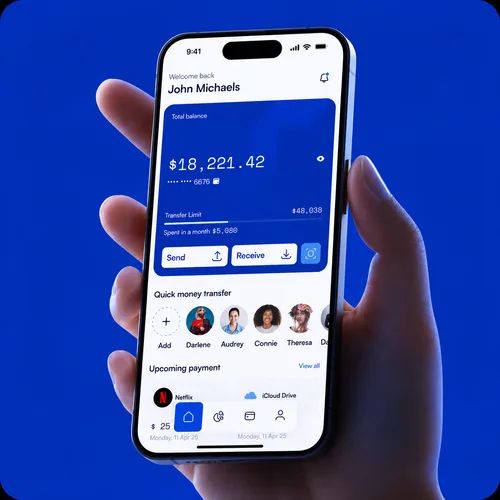
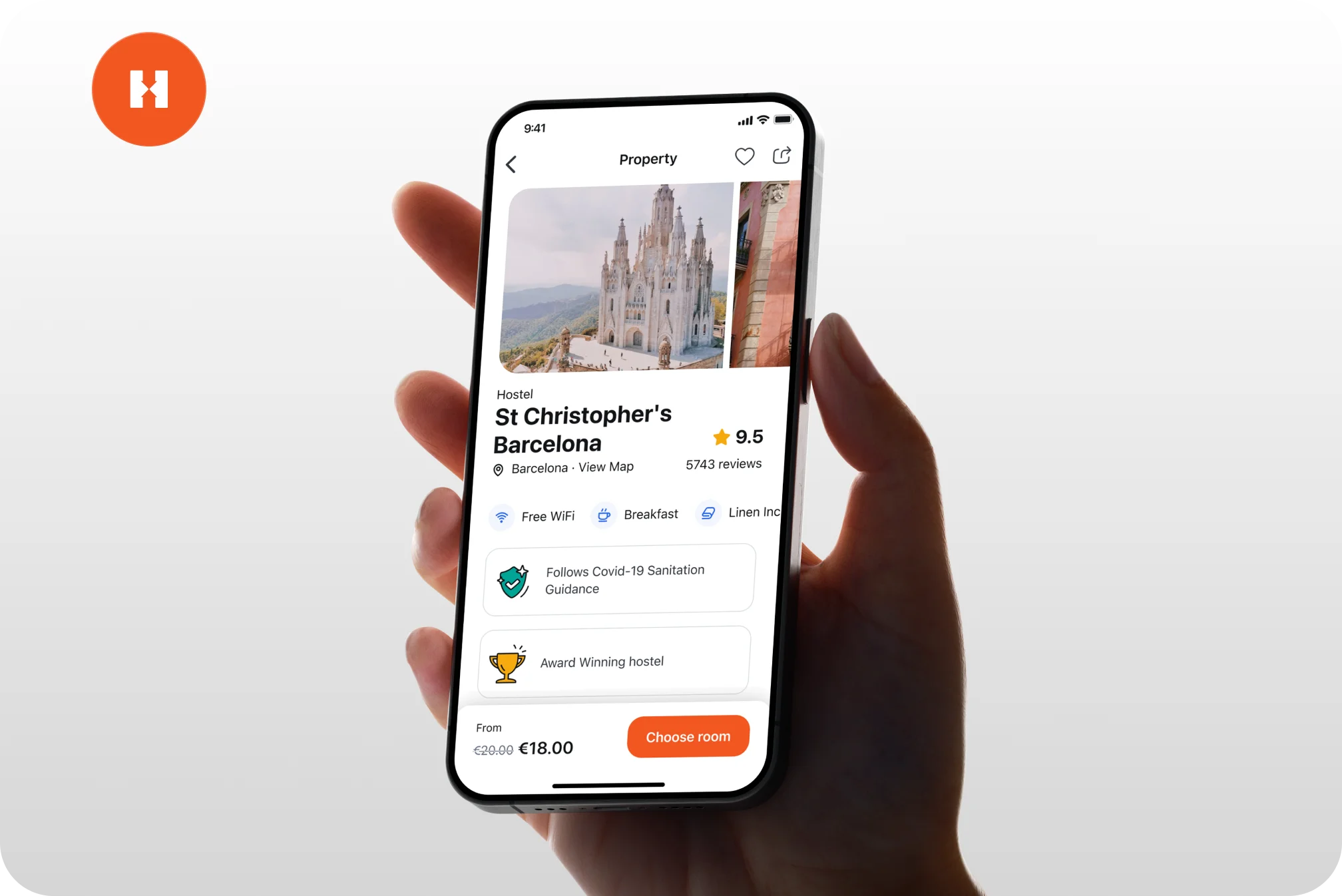
We supported their full product strategy, created a clear design system to remove guesswork, defined all design rules and redesigned their entire ecosystem: from mobile and web apps to their website.
HO
Design once, scale forever
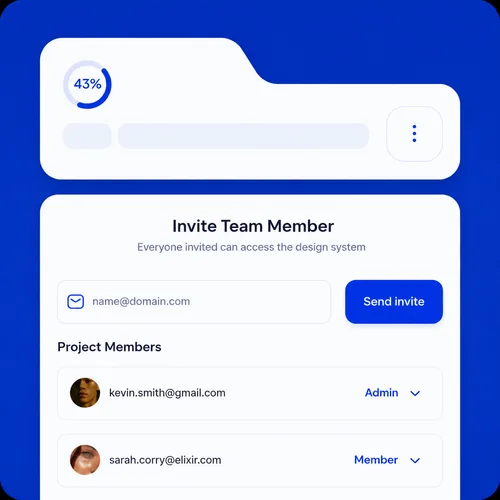
A design system is the shared vocabulary your product is built from — components, tokens and rules that let designers and engineers move fast without re-deciding the basics every sprint.
What we know
A system is working when nobody has to think about it. The right component is easy to find, its behaviour is already decided, and shipping a new screen feels like assembly rather than invention. A system that gets ignored is worse than none at all — so we build for the way your team actually works, not for a showcase file.
Design systems
clarity map
Signal 01
Inconsistent experience
Needs claritySignal 02
Slower delivery
Needs clarityImprove the flow
Inconsistent experience
The same action looks and behaves differently depending on which screen a user lands on.
Slower delivery
Every feature restarts from scratch because nothing reusable exists to build on.
Rising costs
Designers and engineers rebuild the same button, modal and table over and over.
Teams out of sync
Design and engineering argue over details that a shared source of truth would have settled.
We take stock of what already exists, find where the product contradicts itself, and agree on the principles the system will hold to.
We settle the fundamentals — grid, colour, type, spacing — and turn them into tokens with guidelines that explain when to use what.
We build the full component library with its states and variants, document it, and set up how it gets versioned and maintained after we leave.
Main deliverable
Complimentary deliverables & services
We supported their full product strategy, created a clear design system to remove guesswork, defined all design rules and redesigned their entire ecosystem: from mobile and web apps to their website.
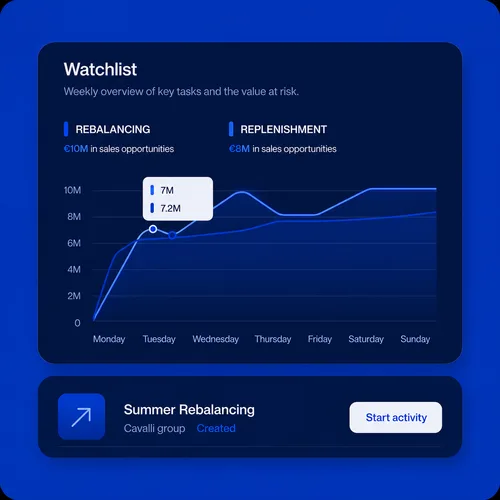
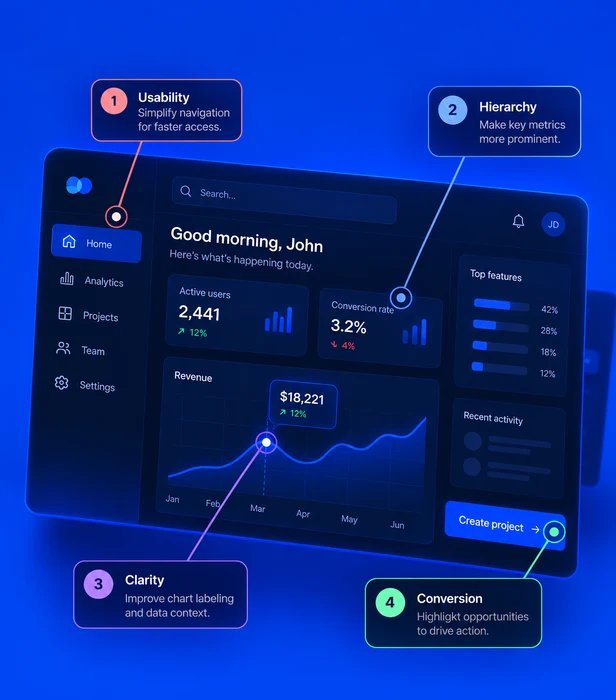
We've created three distinct dashboard app solutions and developed the strategy for the pitch and investor decks, produced an explainer video and developed marketing materials for social media use.
Key metrics
Completed projects all around the world.
Capital raised by our startup partners.
Users reached with products designed by us.
Over a decade of experience in delivering impactful digital solutions.
FAQ
Foundations and a core library usually take six to eight weeks. A full system covering every pattern in a mature product takes longer, so we normally ship in stages — the components your team needs most, first, then the long tail.
Usually yes, and that is often the better call. We audit what you have, keep what works, and rebuild only the parts causing the inconsistency. Throwing away a library your team already knows is rarely worth it.
That is what the governance piece is for: who owns the system, how a new component gets proposed and approved, and how changes are versioned. Without that, any system drifts within a couple of quarters.
We design the system to map cleanly onto however you build — tokens named to match your codebase, specs your engineers can implement without interpreting. We stay available while it gets built.
Tell me where your product is contradicting itself, and I'll reply with the next steps within one business day.